
- White Papers
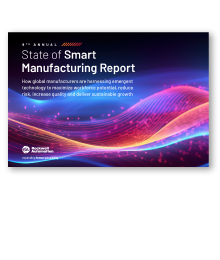 9th Annual State of Smart Manufacturing Report
1500+ manufacturing leaders share the challenges facing their business and how they use technology to address these needs. - Interactive Demo
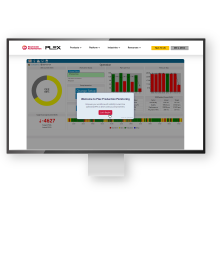 Discover Your Interactive Demo of Plex
Jump into an on-demand demo to click through real screens and see the Plex Smart Manufacturing Platform solutions in action. - Analyst Reports
 2023 Gartner® Magic Quadrant™ for MES
We’ve been named a Leader in the 2023 Magic Quadrant for Manufacturing Execution Systems. - Ebook
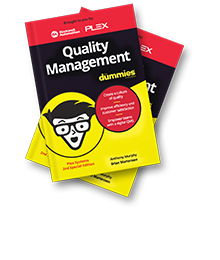 Quality Management for Dummies
Whether you’re new to the Quality Management or looking to brush up on the latest best practices, there are a number of practical tips and takeaways to apply to your operations. - Analyst Reports
 Plex Named Overall Leader
After assessing a dozen companies, the cloud-based SaaS MES offering from Plex Systems was named the overall leader of the pack by ABI Research. - eBook
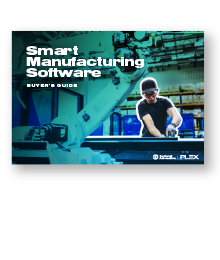 Smart Manufacturing Software Buyer’s Guide
Use this smart manufacturing software buyer’s guide to help you cut through the noise and make a confident and informed technology investment decision
Explore the Benefits
Rely on the Plex Smart Manufacturing Platform to connect, automate, track, and analyze your operations.

Connect
Stop working in silos. Connect people, systems, machines, and supply chains.

Automate
Remove error-prone manual processes. Automate business processes to drive efficiency.

Track
Get a clear picture of your company. Track data from the plant floor to the top floor.

Analyze
Make better decisions. Analyze the information that matters most.




Your New Favorite Tools
Heard enough talk? Looking for the real action? See exactly how Plex helps manufacturers revolutionize their operations.
Watch a Demo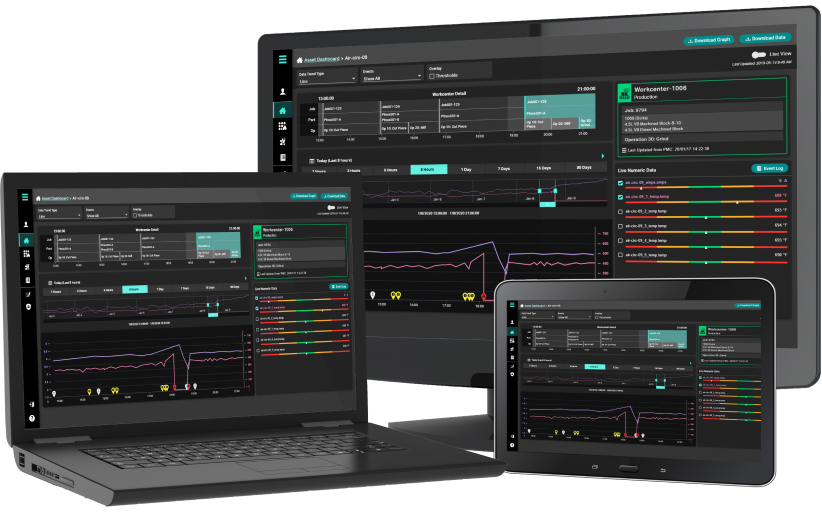
Working for your business...
and your respect.
-

Gartner has named Plex Systems a Leader in the 2023 Magic Quadrant for Manufacturing Execution Systems. Read the report to learn why we’re a Leader!
-

“Plex Systems came out on top in the competitor ranking for vendors involved in the MES software ranking first for innovation and third for implementation. This is due to its innovative cloud-native MES design, rapid time to deployment, and wide customer base, all being supported by strong pricing guarantees.” –ABI Research
-

Plex received 7 Top Rated Feature Awards in the 2023 Info-Tech MES Data Quadrant Report.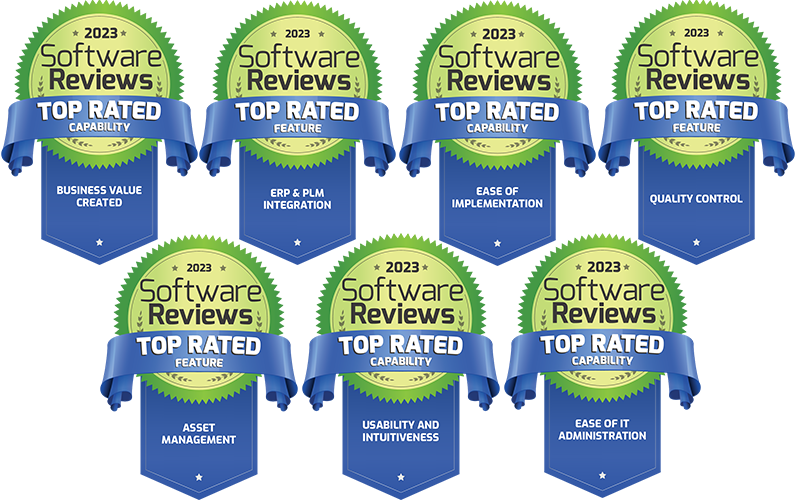
-

-
-
-
-

Forrester Consulting’s Total Economic Impact Study reveals how companies can benefit from the Plex Smart Manufacturing Platform (and achieve massive ROI)!